

Lilac
Symbolism: Lilacs traditionally symbolize the first emotions of love (especially white lilacs for youthful innocence and purple lilacs for first love). They are deeply tied to spring, renewal, and confidence.
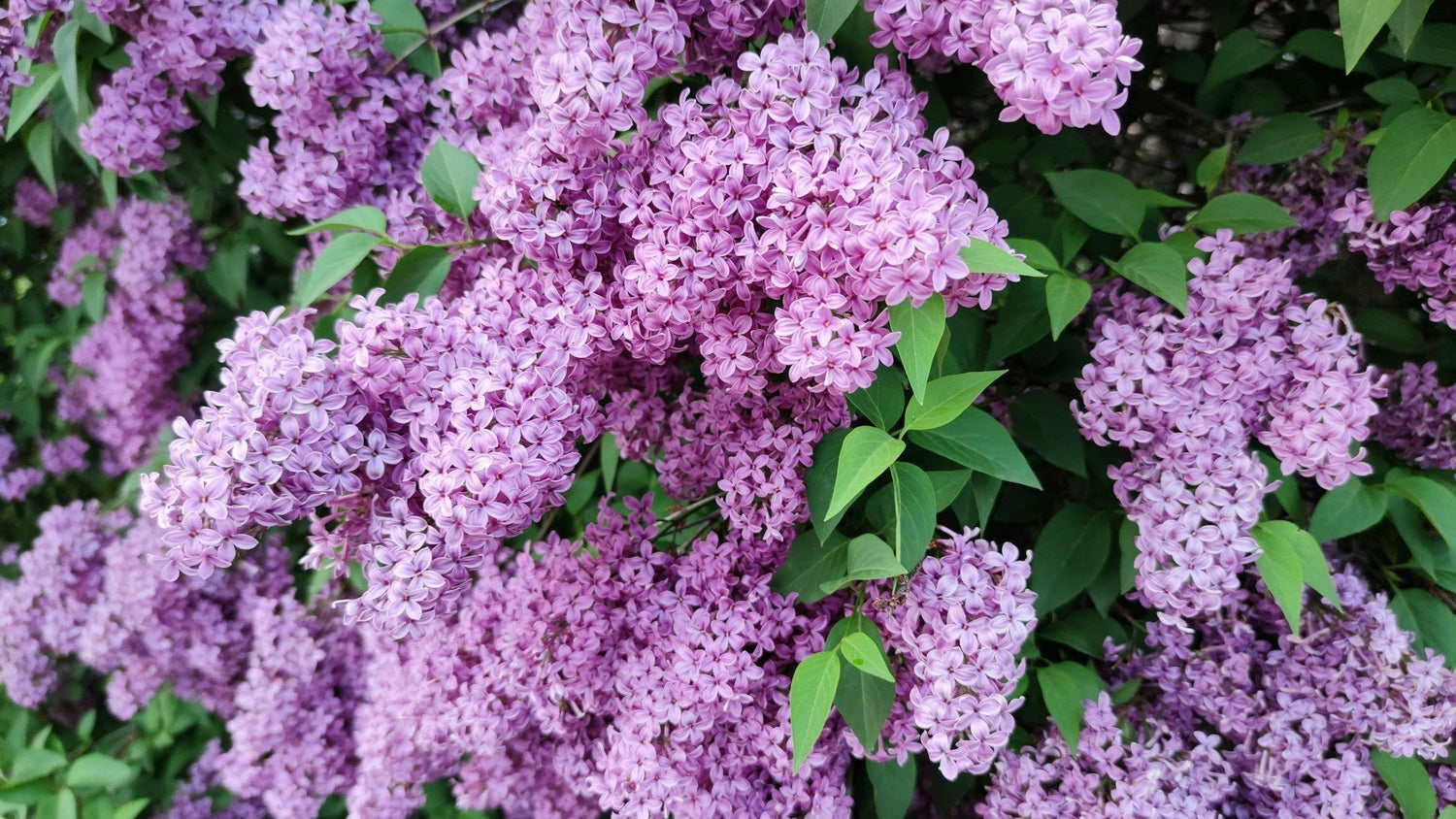
Description: Lilacs are deciduous shrubs known for their lush, cone-shaped clusters (panicles) of small, intensely fragrant, four-lobed flowers. They feature heart-shaped green leaves and woody stems, growing into large bushes or small trees.
Named after: The name "Lilac" comes from the Arabic word lilak and Persian nilak, meaning "bluish" or "indigo."
Latin/Scientific name: Syringa vulgaris
Native to: The rocky hills of the Balkan Peninsula in Southeastern Europe, though they have been cultivated globally for centuries.
Flowering period: Late spring (typically end of May in the Montreal area), lasting for a brief but spectacular 2 to 3 weeks.
Vase life: Generally 3 to 5 days. They are known for being thirsty and delicate as cut flowers.
Popular use in floral arrangements or bouquets: Highly favored in romantic, garden-style bridal bouquets, large spring centerpiece arrangements, and monochromatic fragrant vase displays. Their woody structure adds excellent volume, texture, and natural cascading shapes.
Care tips:
1. Hydration is key: Use a sharp knife or pruners to cut the woody stems at a sharp 45-degree angle. Gently split the bottom half-inch of the stem vertically to maximize water intake.
2. Strip lower foliage: Remove any leaves that will sit below the water line to prevent bacterial growth.
3. Use lukewarm water: Place them in warm water mixed with floral food, and recut the stems every 2 days. Keep them out of direct sunlight and drafts.
Pet Toxicity: Non-toxic to cats and dogs (unlike true lilies, lilacs are safe for pets, though eating the woody stems can still cause mild digestive upset).
When in stock in our shops: Supplied by local growers - Occasionally Late May